The topic of QSL cards is really hot! Recently, in every ham radio conversation I’ve had lately, there’s been a debate about QSL cards. Should you choose paper or digital? Should you pay for a confirmation that gives you a nice glossy card? If you’ve paid, did the activator actually confirm the QSO? If they did, did you receive the card? Everyone has an opinion, and nobody hesitates to share it. You either love them or you hate them! There doesn’t seem to be a middle ground.
Amateur Radio QSL cards provide physical proof of a radio contact. They show that two amateurs, who share the same hobby, found each other hundreds or maybe thousands of miles away! These cards represent a tradition that mixes communication, history, and personal expression into one postcard-sized item. They confirm that two stations successfully exchanged signals, and for many operators, they remain a treasured part of the hobby, even in the digital age.
What makes QSL cards a genuinely enjoyable part of the amateur radio hobby is how amateurs use them. Some cards display the amateur’s station, a local landmark, or a special event theme, along with the occasional cartoon or bit of humor. All these little cards offer tiny glimpses into someone else’s shack, their corner of the world, and their personality. You could say they are one of the most underrated forms of self-expression in the hobby.
When I first received my Certificate of Proficiency, designing and ordering QSL cards was one of the first things I did! I knew I would enjoy exchanging cards with every contact, without any restrictions. I have more cards than I’ll probably ever use. The deal on 500 was too good to pass up!
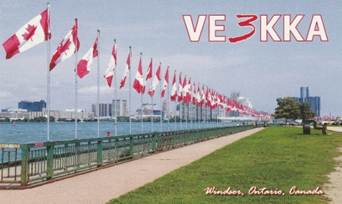
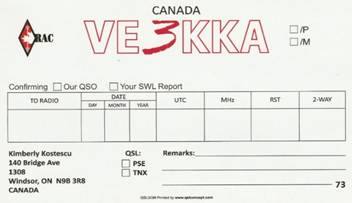
However, the first QSL cards I received were digital, and honestly, I really liked them! So, I joined eQSL, set up my account, and soon confirmations were beginning to arrive in my inbox, one, two, sometimes more every single day. It was exciting at first, but before long I was confused about whether I should send a paper card in response, (remember! I have 500 of these!) or just the digital one. With the number of digital cards coming in, I also knew that I had to decide if I would just look at them, admire them, and forget them OR save them.
The solution came from a social media group that I belonged to. Someone mentioned they saved their digital cards in a folder and loaded them onto a rotating digital photo frame on their desk, cycling through every contact like a slideshow of their hobby’s best moments. I thought that was brilliant! I didn’t go the photo frame route, but I did something similar: all my digital cards live in a folder on my laptop and run as a screensaver. Same idea, same little spark of joy every time the screen flickers on!
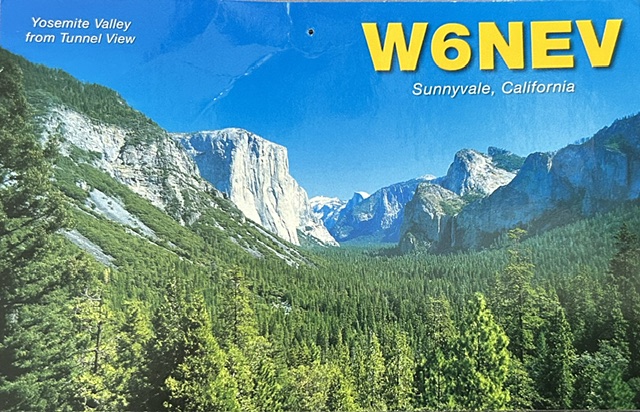
The day my first paper card arrived in the mail was something else entirely! I pinned it on the wall next to my desk, the way I used to
pin up posters of teen heartthrobs back in the 70s. No shame here! My first QSL paper card deserved that spot. More cards followed, and now I’ve got a proper collection going.
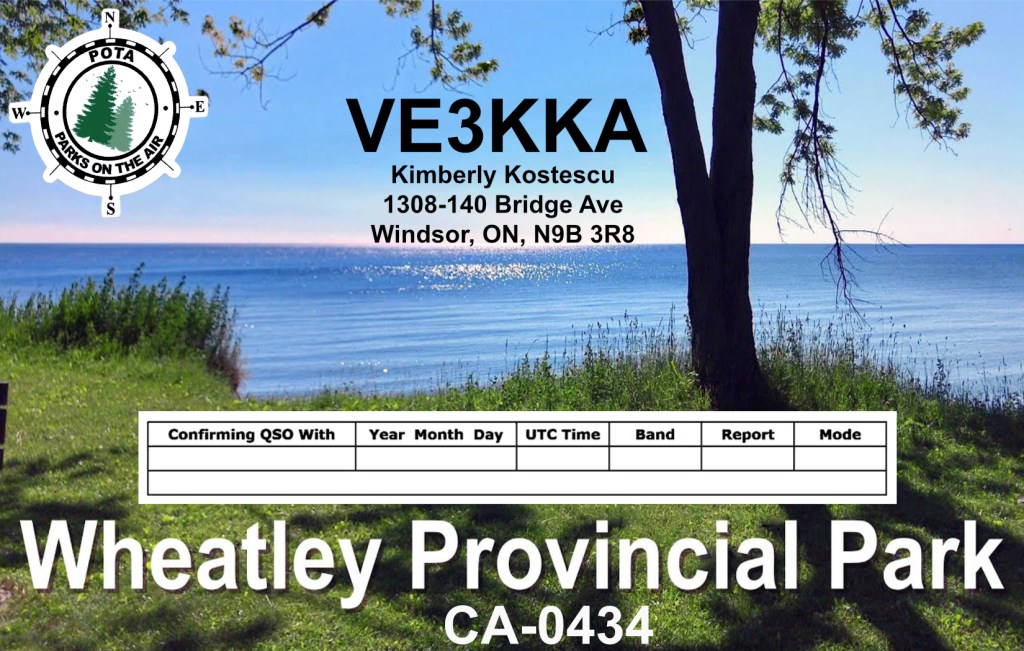
That said, I did notice something about digital cards after a while. A lot of them are identical. The same design, just a different callsign. Paper cards tend to have more personality, more effort behind them. At the time, and I’m not sure if it has changed because I don’t use eQSL anymore, but there was no way to really send a creative, personal digital QSL card. So, I started making my own digital cards and using QSO Card Creator to send them out.
I find it satisfying to create my own digital QSL cards! And now, I design a custom card for almost every activation, POTA activations especially, with each park getting its own card. I also personalize the note section of QSO Card Creator and send the cards with a personal note. I mention in my note that I’d be happy to also swap paper cards if they’re interested, because remember, I have 500 of them! A surprising number of amateurs take me up on it. Two cards for one contact. Hard to beat that!
Paper QSL cards built the foundation of amateur radio awards. Worked All States, Worked All Continents, and DXCC, are a small sample of the awards available to an avid amateur radio operator. For decades, the only way to claim them was to have paper QSL cards in hand. Operators mailed literally stacks of them to organizations like the ARRL for verification, and somehow, amazingly, that system worked. Many award programs still accept physical cards today; however, digital platforms like Logbook of the World and eQSL have changed the game, of course. Confirmations that once took weeks or months now happen instantly, and for serious award chasers, that efficiency matters. But speed isn’t everything.
Some amateurs say that there’s something a digital QSL card can’t quite replicate. A paper card has personality and credence in what it represents. Someone designed it, printed it, addressed it, and sent it. That’s a small act of intention that a database entry just doesn’t have. It’s why so many amateurs, even ones who log everything electronically, still reach for the card box when they want to confirm or remember a contact.
Digital cards are closing the gap, though. When they’re thoughtfully designed, they have personality! And they can carry the same sense of connection. The best ones feel like something worth keeping, not just clicking through.
Both formats are really doing the same thing at the end of the day. They’re not just confirmations. They’re snapshots. A card from a rare DX station, a POTA park activation on a perfect morning, a late-night contact with someone on the other side of the world, each one marks a moment that meant something.
Some operators have thousands of them, and every single QSL card tells a story that a signal report alone never could.
I’m hopeful that the next time you receive a digital card, you won’t just hit the delete button but take the time to save the card to some kind of file system. Because I know there are some really ugly paper QSL cards out there, and you’ve kept those through the years! So, consider keeping the digital ones as well. Consider them equally worthy as their paper counterpart.
I’m always happy to hear your opinion. Please leave a comment or email me directly at: membership@rac.ca
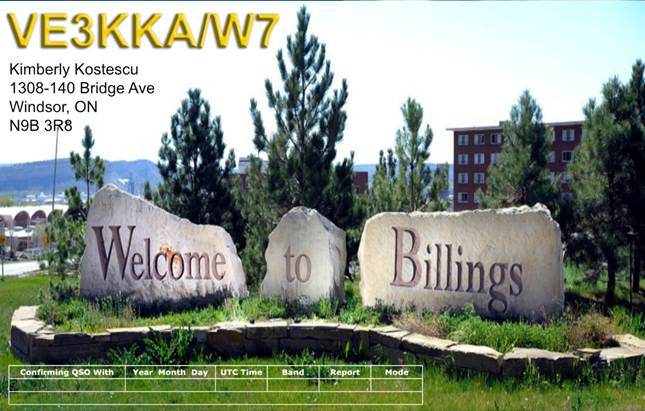
Figure 4 When activating from my duaghter’s house in Billings, MT, USA
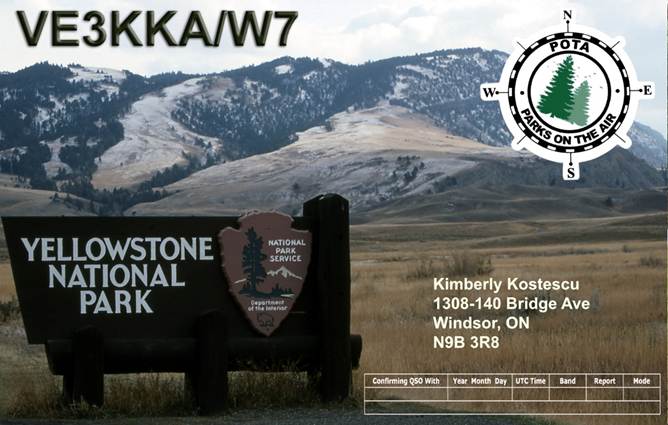
Figure 5 From an activation while visiting Yellowstone National Park in Wyoming, USA


Leave a comment